Now Reading: Massive Financial Impact if Pakistan Boycotts T20 World Cup
-
01
Massive Financial Impact if Pakistan Boycotts T20 World Cup


Pakistan’s Possible Boycott: A Forecast of Financial Loss
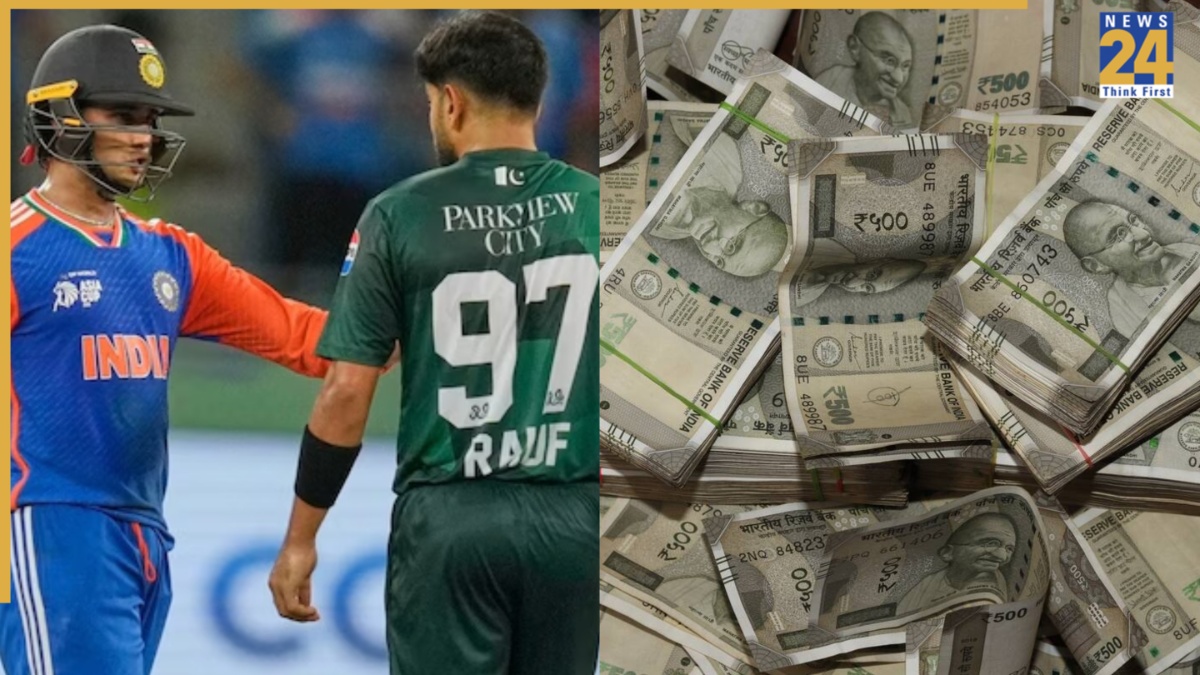
The International Cricket Council (ICC) currently faces a significant threat to its financial stability. The potential boycott of the upcoming T20 World Cup 2026 by the Pakistan government could result in severe financial repercussions for the organization. The ICC stands to lose approximately $250 million (INR 2289 crore) if the iconic match between India and Pakistan does not take place.
Historical Context of India-Pakistan Matches
India and Pakistan are arch-rivals in the world of cricket. Their encounters only occur during significant multi-nation events, which heightens the anticipation and demand for these matches among fans and broadcasters alike. With each meeting generating substantial viewership, sponsors and broadcasters are willing to invest heavily, knowing that these clashes draw in audiences.
The Broadcasting Landscape
As per reports, the current cycle of broadcasting rights for men’s ICC events extends from 2023 to 2027 and is valued at about $3 billion (INR 27,465 crore). Remarkably, over 40% of this broadcasting revenue is attributed to the marquee matches between India and Pakistan.
| Match | Value (INR) | Value (USD) |
|---|---|---|
| ODI World Cup 2023 | ₹2289 crore | $250 million |
| T20 World Cup 2024 | ₹2289 crore | $250 million |
| Champions Trophy 2025 | ₹2289 crore | $250 million |
Consequences of a Boycott
If the scheduled match does not proceed as planned, the financial fallout would not only affect the ICC but also its rights holder, JioStar, which might push for compensation or a reduction in the overall broadcasting rights value. Consequently, this would decrease returns not just for the ICC but for all cricketing nations involved.
Potential Sanctions against PCB
The ICC could even consider sanctioning the Pakistan Cricket Board (PCB) by withholding their earnings from the T20 World Cup. This drastic action would further complicate relations within the cricketing community and negatively impact the sport’s finances in the region.
Conclusion
As discussions around the T20 World Cup 2026 unfold, the stakeholder reactions and decisions will be pivotal. The implications of a Pakistan boycott can significantly alter cricket’s financial ecosystem. Stakeholders are urged to remain engaged to avoid detrimental outcomes.