Now Reading: Pakistan’s Bold Decision: Boycotting the ICC T20 World Cup
-
01
Pakistan’s Bold Decision: Boycotting the ICC T20 World Cup


Pakistan Decides to Boycott High-Stakes Match
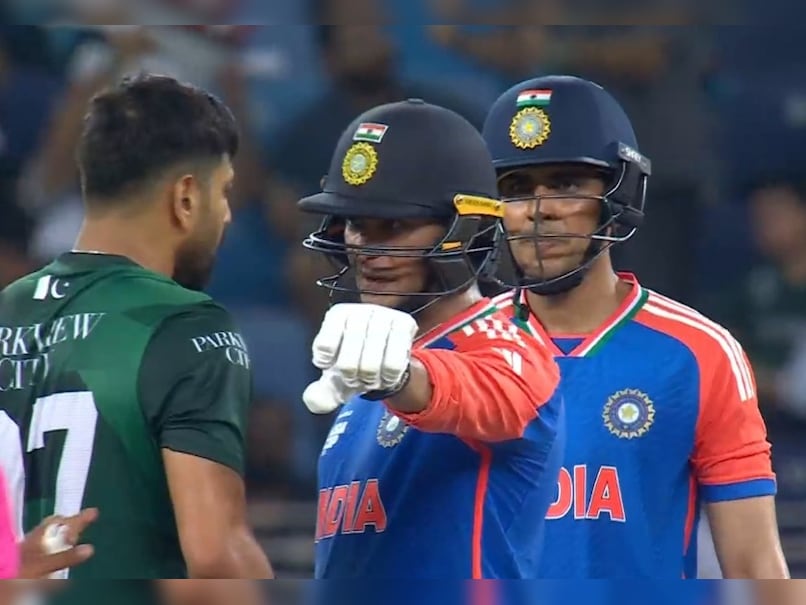
The Pakistan Cricket Board (PCB) has made a groundbreaking decision to boycott their much-anticipated match against India during the ICC Men’s T20 World Cup 2026. This development comes amidst ongoing tensions regarding ICC policies, particularly concerning the exclusion of Bangladesh from the tournament. PCB chief Mohsin Naqvi indicated that the board’s decision was influenced by the stance of the local government.
The Background to the Boycott
On Sunday, the Pakistan Government utilized social media to confirm that the Pakistani team would participate in the World Cup but would forfeit their points against India. Despite many seeing boycotting a match as an extreme measure, this has historical precedent in cricket, particularly during global tournaments.
Historic Instances of Boycotts in World Cups
In cricket history, teams have previously boycotted matches due to various reasons, primarily revolving around security and political concerns. Here’s a look at notable instances:
| Year | Team | Opponent | Reason |
|---|---|---|---|
| 1996 | Sri Lanka | Australia | Safety concerns amid civil unrest |
| 1996 | Sri Lanka | West Indies | Safety concerns amid civil unrest |
| 2003 | England | Zimbabwe | Political pressure regarding human rights |
| 2003 | New Zealand | Kenya | Warnings of terrorist activity |
| 2009 | Zimbabwe | — | Withdrawal due to visa issues |
| 2016 | Australia | — | Security risks in Bangladesh |
| 2022 | New Zealand | — | COVID-19 isolation rules |
Historical Context of Cricket Boycotts
These instances underline how political and security considerations can heavily influence international sports. For example, Sri Lanka was awarded walkovers in 1996, eventually winning the World Cup. Similarly, England’s decision not to compete against Zimbabwe in 2003 cost them progression to the next stage due to the two points forfeited.
Future Implications
As the situation continues to evolve, cricket analysts are closely watching how this boycott will affect Pakistan’s performance in the tournament. The decision reflects ongoing geopolitical tensions that extend beyond the sport itself, showcasing how cricket serves as a microcosm of larger societal issues.
Moreover, it raises questions regarding ICC policies and their potential impact on future tournaments. Will the governing body take additional measures to address such grievances, or will boycotts become a more regular occurrence in international cricket?
As it stands, the world waits in anticipation to see how the narrative unfolds. The implications of Pakistan’s decision may resonate beyond the T20 World Cup, influencing other nations and their global cricketing policies.