Now Reading: Bangladesh Seeks Venue Change for T20 World Cup 2026
-
01
Bangladesh Seeks Venue Change for T20 World Cup 2026


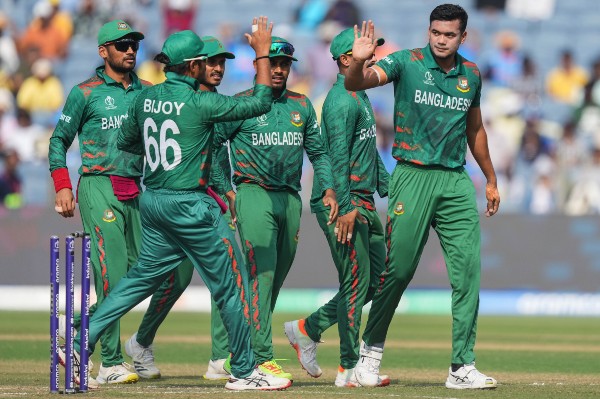
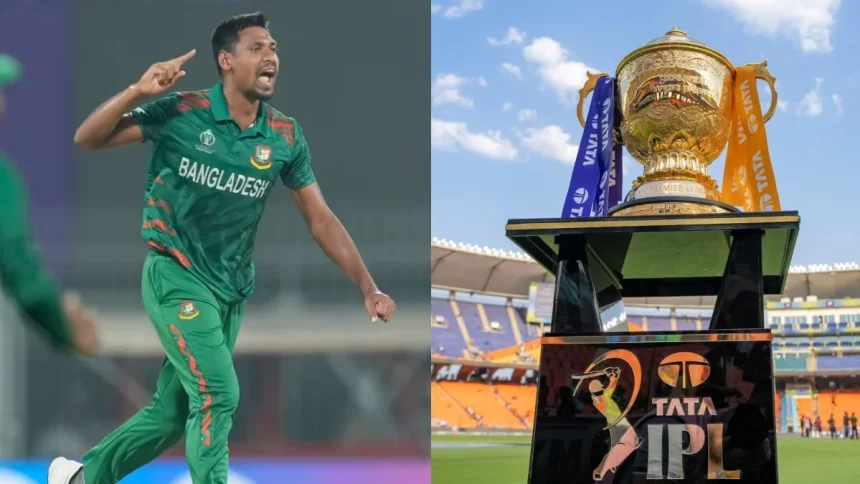
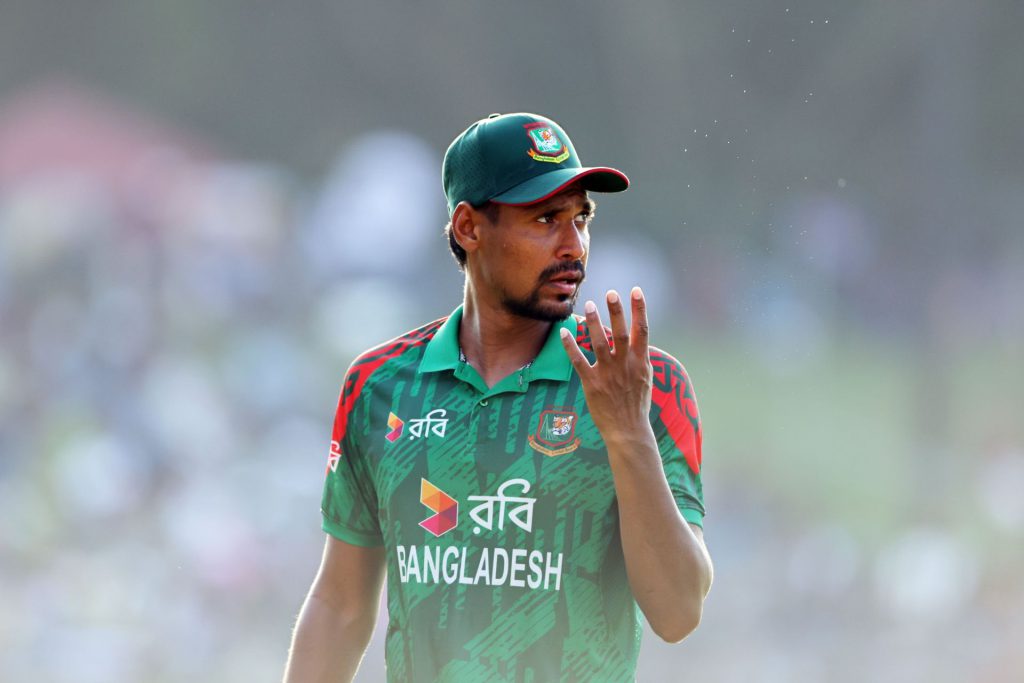
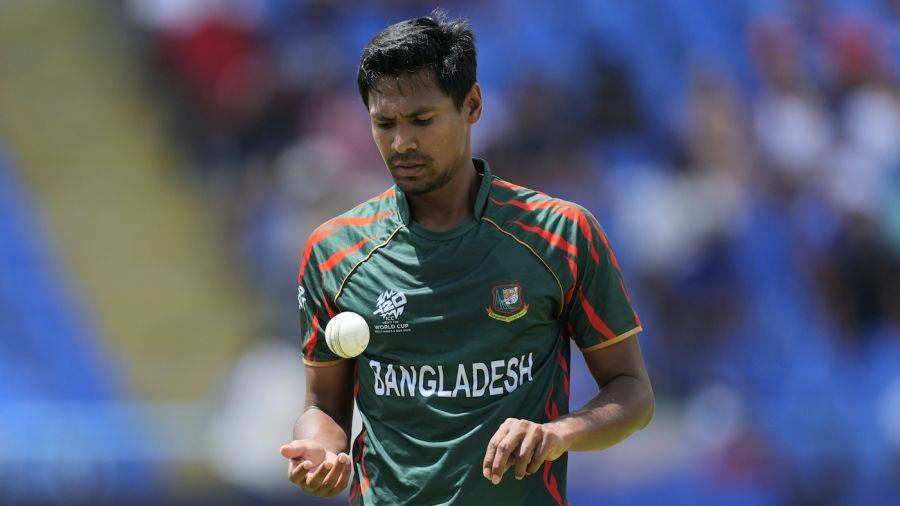
In a significant update, the Bangladesh Cricket Board (BCB) is preparing to request a change of venues from the International Cricket Council (ICC) for their matches in the T20 World Cup 2026. This decision is influenced by escalating tensions between India and Bangladesh, particularly following the controversial situation regarding Mustafizur Rahman’s participation in the IPL.
Background and Current Situations
The issue erupted after the Board of Control for Cricket in India (BCCI) faced backlash surrounding the release of Mustafizur Rahman for the IPL amid rising national tensions. Following these developments, Bangladesh initially seemed set to participate in the T20 World Cup in India. Yet, recent reports indicate a shift in strategy, with the BCB considering a neutral venue similar to Pakistan’s approach in their cricketing engagements.
BCB’s Request to ICC
A BCB official highlighted that any decision regarding playing in the T20 World Cup in India will ultimately be made by the ICC. If an exemption is granted, Bangladesh could emulate Pakistan by holding their matches in Sri Lanka. Bangladesh’s participation is contingent on the ICC’s judgment, taking into account the current atmosphere.
| Details | Information |
|---|---|
| Tournament Start Date | February 7, 2026 |
| India’s Role | Co-host of the tournament |
| Pakistan’s Venue | Sri Lanka |
“I cannot make any comment regarding the release of Mustafizur as this is their internal matter, but as far as taking part in the World Cup is concerned, it is an ICC event, and they will make the final call after taking everything into consideration,” the BCB official stated.
Implications of the Current Climate
The BCB is expected to raise this pressing issue with the ICC promptly, emphasizing the urgency as the tournament draws nearer. The episode began when BCCI Secretary expressed concerns over the unrest in India related to allowing a Bangladesh player in the IPL, leading to a postponement of India’s planned tour to Bangladesh until further government approval.
Looking Ahead
With the T20 World Cup fast approaching, both cricket boards must navigate this complex situation delicately. As high-stakes sporting events loom, the response to this crisis could set a pivotal precedent for international cricket relations.