Now Reading: KL Rahul vs. Michael Bevan: A Statistical Showdown at No. 5
-
01
KL Rahul vs. Michael Bevan: A Statistical Showdown at No. 5


Introduction
In the realm of cricket, comparing legends is a favored exercise, especially when evaluating their performances in specific roles. Recently, we looked at how KL Rahul’s stature in India’s lineup matches up against Michael Bevan’s storied career as an Australian finisher. This article dives deep into their stats while batting at the No. 5 position in One-Day Internationals (ODIs).
KL Rahul’s Recent Performance
KL Rahul recently displayed impressive form, scoring a sublime century against New Zealand. In the second ODI of the series, he scored 112* off 92 balls, showcasing his ability to anchor the innings in challenging conditions. Despite India’s struggle, where they were reduced to 118-4, Rahul’s innings helped them post a respectable total of 284-7.
Rahul’s ODI Stats at No. 5
Throughout his career, Rahul has batted 33 times at the No. 5 position, amassing 1,477 runs at an average of 64.21 and a strike rate of 99.59. His records against specific teams further illustrate his skills:
| Opponent | Innings | Runs | Average |
|---|---|---|---|
| Australia | 9 | 446 | 63.71 |
| New Zealand | 6 | 382 | 127.33 |
| England | 4 | 148 | 49.33 |
Michael Bevan’s Legacy
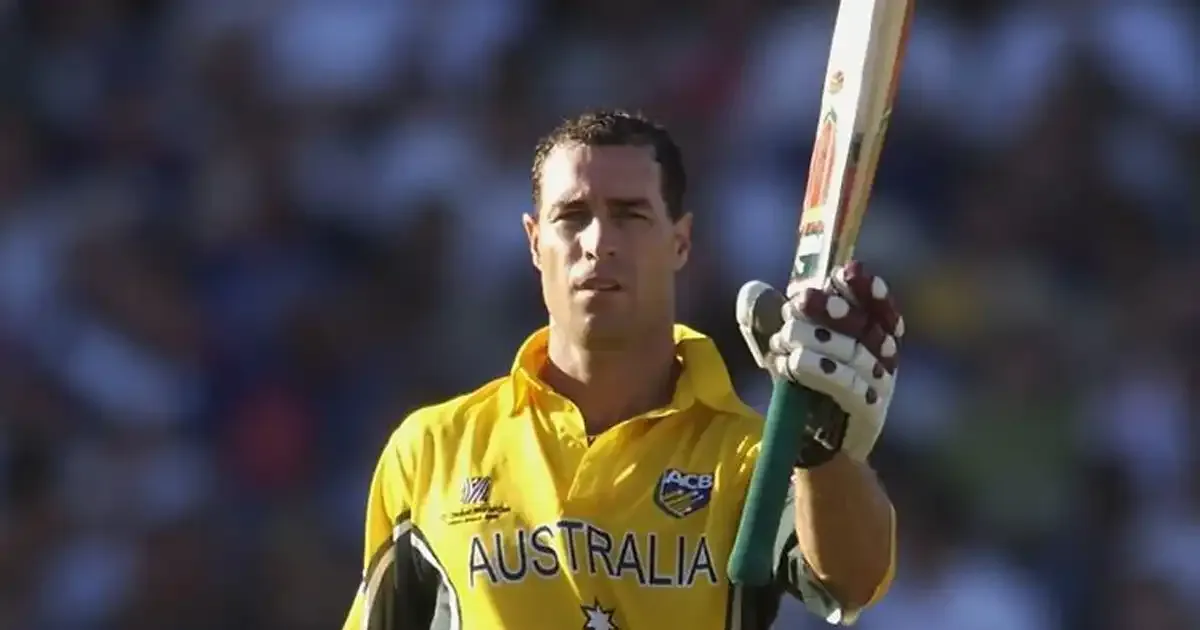
Michael Bevan holds a legendary status in ODIs as a finisher, having played a similar number of innings at No. 5. In his 33 innings, he scored 1,165 runs with an average of 41.60 and a lower strike rate of 74.58.
Bevan’s Performance Stats
Against India and South Africa, Bevan’s performance remains notable. Here’s a breakdown of his stats:
| Opponent | Innings | Runs | Average |
|---|---|---|---|
| India | 7 | 347 | 57.83 |
| South Africa | 8 | 316 | 39.50 |
| New Zealand | 4 | 146 | 36.50 |
Winning vs. Losing Performances
Rahul’s Impact in Wins and Losses
KL Rahul’s contributions vary significantly between wins and losses, scoring 819 runs at an average of 58.5 in winning matches versus 658 runs with an average of 73.11 in losses.
Bevan’s Contributions
Bevan’s record shows that in victories, he scored 736 runs at an average of 49.06, while tallying 429 runs at an average of 33 in defeats.
Conclusion
The stats reveal a fascinating comparison between KL Rahul and Michael Bevan at the pivotal No. 5 position in ODIs. Rahul’s higher averages and strike rates highlight his modern approach, while Bevan’s contributions during his era illustrate the importance of a reliable finisher. As cricket evolves, these comparisons offer insights into how the game has changed, leading to new expectations for current players.