Now Reading: The Unfair Scrutiny of Indian Cricket Pitches
-
01
The Unfair Scrutiny of Indian Cricket Pitches


The Bias Against Indian Pitches
In the realm of international cricket, there’s an unspoken double standard regarding the evaluation of pitches. When Test matches in India conclude in two or three days, the pitch undergoes scrutiny. However, similar outcomes in other countries are often overlooked, with blame shifting primarily to the batsmen. This pattern illustrates a skewed perspective that shapes narratives surrounding Indian pitches.
Historical Context
It’s crucial to recognize that India is not exempt from criticism regarding pitch conditions. At times, Indian pitches may be poorly prepared or overly favorable to bowlers. Acknowledging these instances is essential for a balanced discussion. Yet, it is the disproportionate scrutiny on Indian surfaces compared to pitches elsewhere that warrants greater attention.
Selective Outrage in International Cricket
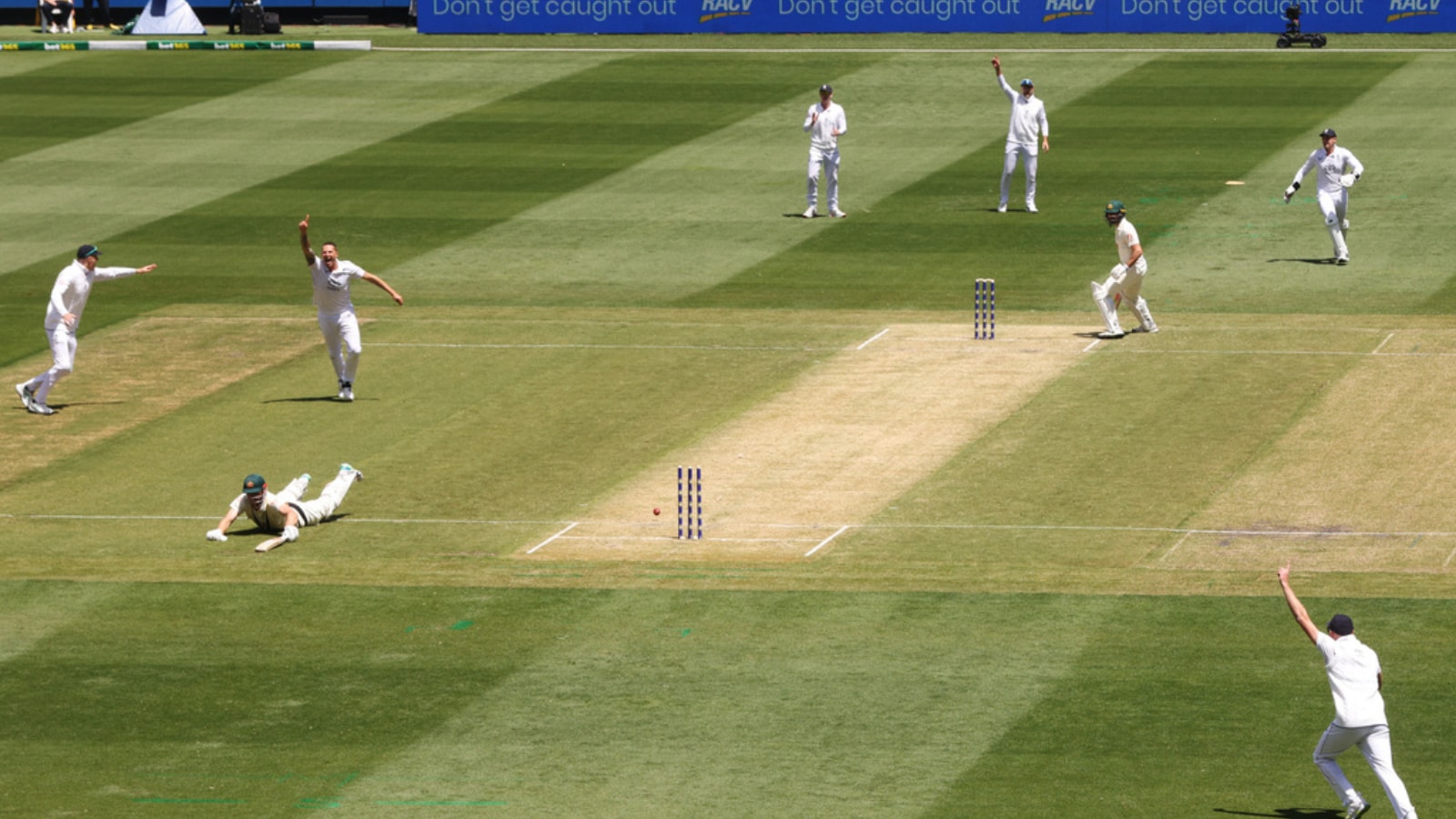
The recent fourth Ashes Test brought this issue to the forefront. Finishing in a mere two days on an Australian pitch, the strong criticism was notably absent. Australia, known for its seam-friendly conditions, never faces the same scrutiny when its pitches yield similar results. This disparity in judgment raises questions about bias in cricket commentary.
Celebration of Home Conditions
In the fabric of Test cricket, local conditions are expected to mirror a team’s strengths. No one questions Australia’s preference for flat pitches or England’s grassy wickets. These conditions are embraced as part of cricket’s vibrant diversity. Contrarily, when Indian pitches favor spin—a historical strength—criticism becomes almost automatic, often laden with moral undertones suggesting that such contests lack legitimacy.
Personal Accounts and Reactions
Sunil Gavaskar, a prominent figure in cricket, has voiced his concerns about this inconsistent treatment of pitches. He advocates for a standardized measure of pitch evaluation globally. This notion of “one yardstick” is pivotal for maintaining the integrity of the game.
Outcomes vs. Reactions
Noteworthy is how reactions to pitch conditions often correlate with match outcomes. When teams struggle in India, the pitch is scrutinized. Yet, victories on turning tracks by New Zealand and South Africa have faced minimal backlash. This silence reflects a potent double standard in perceptions of capability and performance based on location.
Comparative Judgments
The recent Ashes Test that ended prematurely showcased how differently matches are perceived. England’s captain, Ben Stokes, acknowledged the abnormal duration but without casting blame. In contrast, similar outcomes in India lead to accusations of intent and poor conditions. Such reactions highlight an uncomfortable truth: spin-dominated cricket is often seen as less legitimate than its pace-dominated counterpart.
The Need for Equal Standards
This discussion isn’t solely about the length of matches. Instances of matches concluding prematurely in South Africa or New Zealand have garnered less concern. It underscores a fundamental inconsistency; pitches worldwide should be evaluated on the same criteria.
Towards a Balanced Narrative
While it’s necessary to critique poor pitches, such scrutiny must extend to all countries uniformly. If two-day Tests are damaging to the format, this concern must be universal. The favoring of spin in India should not be treated differently than seaming conditions elsewhere.
Conclusion: A Call for Fairness
It’s essential for Indian cricket fans to recognize the weight placed on opinions from western media. The commentary from abroad often goes unchallenged in India, perpetuating biases. Our cricketing identity should not rely solely on validation from outside; it is built through performance and self-assuredness. The integrity of Test cricket relies on honesty and fairness in evaluating pitches, regardless of location.