Now Reading: Will ICC Sanction PCB for India Match Boycott?
-
01
Will ICC Sanction PCB for India Match Boycott?


Understanding the Controversy
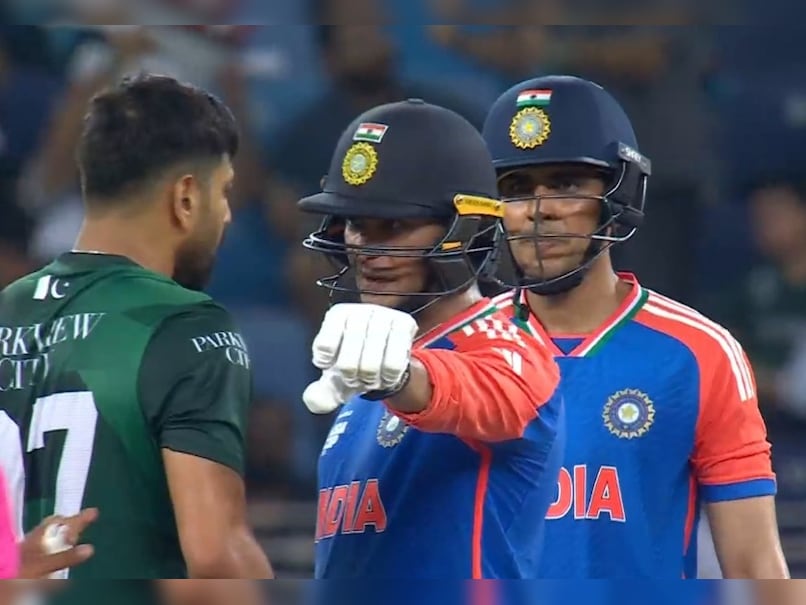
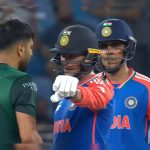
The recent announcement from the Pakistan government regarding their participation in the T20 World Cup has created ripples in the cricket community. With the high-profile match against India on February 15 in Colombo now canceled, the question arises: Will the ICC impose sanctions on the PCB for this decision?
Former Chairman’s Perspective
Ehsan Mani, former Chairman of the PCB, is clear in his stance that the ICC lacks the authority to penalize the PCB for adhering to government directives. “The PCB cannot be punished for a decision made by the government of Pakistan,” he stated during a recent interview.
The Precedent Set by India
Mani brought up the case of the Board of Control for Cricket in India (BCCI), which declined to participate in the Champions Trophy held in Pakistan last year. This decision stemmed from directives issued by the Indian government. “If BCCI wasn’t sanctioned for following its government’s orders, it would be unjust for the ICC to penalize PCB under similar circumstances,” he remarked.
ICC’s Indirect Threats
After the announcement of the match’s cancellation, the ICC issued a statement encouraging the PCB to “explore a mutually acceptable resolution.” However, some viewed this as a veiled warning to the PCB. Mani emphasizes that the ICC has failed to take decisive actions or address the grievances of the PCB. He elaborated, “The ICC has been passive, allowing situations like this to escalate without intervention. They were aware of the implications before things spiraled out of control.”
Accountability and Double Standards
Mani’s assertion raises important questions about accountability. He commented, “You can’t enforce sanctions on one side and disregard similar actions from another. There should be no double standards in cricket governance.” This sentiment underscores the complex dynamics that exist between cricketing bodies and national governments.
Future Implications for Cricket
The fallout from this situation may have long-term effects not only on Pakistan cricket but also on the international community’s approach to political influences in sports. If governments dictate match participation, the very essence of international sports might be compromised.
Conclusion
As the cricketing world watches with bated breath, the decision to boycott a match due to government instruction raises critical discussions about authority, fairness, and the future of the game. Will the ICC act, or will it continue to remain an observer?